The Future of Business Education: Virtual Reality and Real-World Success


The Rise of Virtual Reality in Business Education
As technology continues to evolve, virtual reality (VR) is making significant inroads into business education. This immersive technology offers learners the chance to experience real-world scenarios in a controlled, risk-free environment. By simulating business challenges, VR can provide students with practical insights that traditional classroom settings might not offer.
For instance, VR can place students in a virtual boardroom where they can practice negotiation skills or in a simulated market environment to understand economic dynamics. This hands-on approach enhances learning and retention, making it an invaluable tool in modern education.
Benefits of VR in Learning
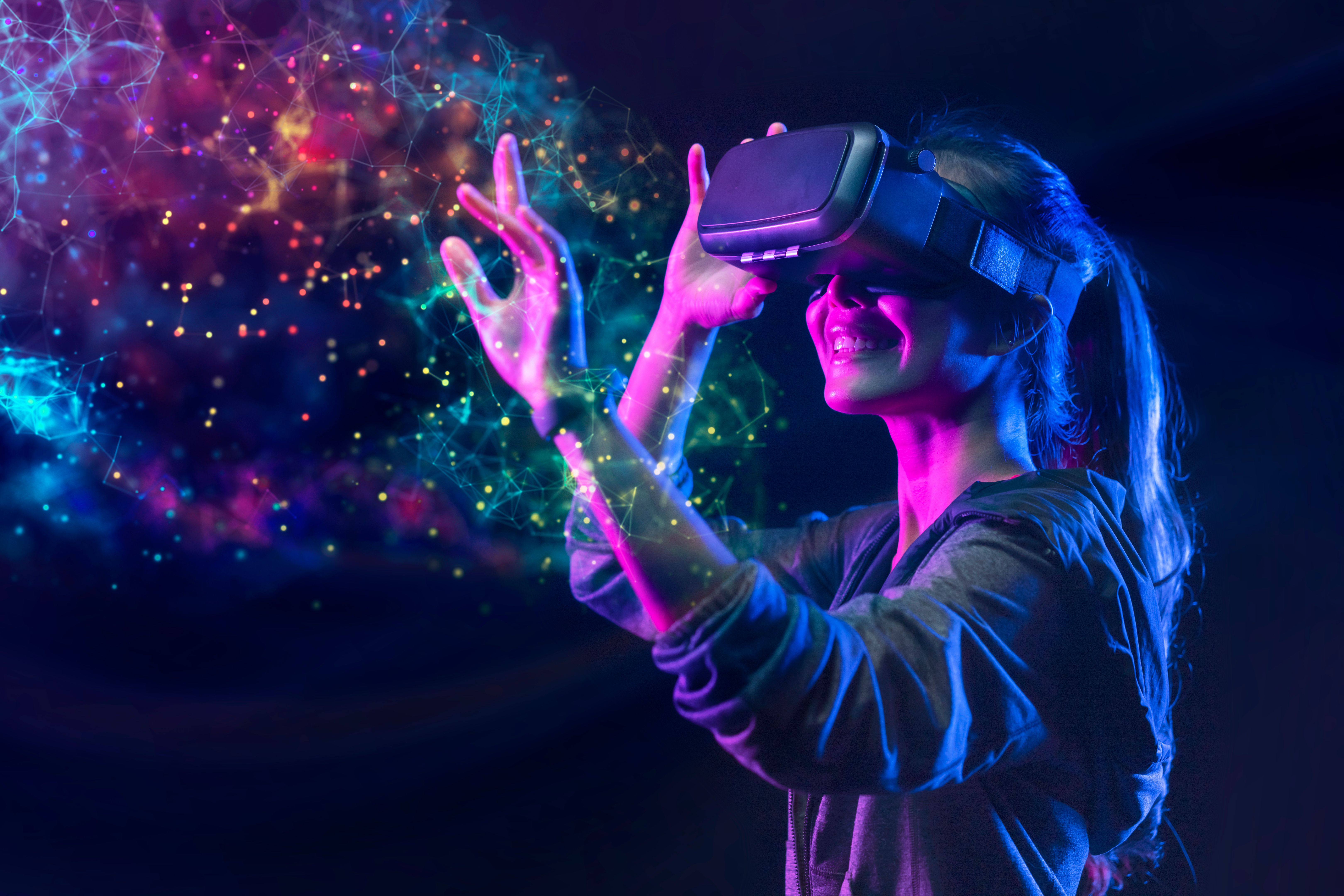
Integrating VR into business education provides numerous benefits. One of the most significant advantages is the ability to engage students actively. Unlike passive learning methods, VR requires participation, which can lead to better understanding and retention of complex concepts.
Additionally, VR facilitates personalized learning experiences. Students can progress at their own pace, revisiting challenging scenarios as needed. This adaptability ensures that learners fully grasp the material before moving on, promoting a deeper comprehension of business principles.
Real-World Success Through Virtual Training
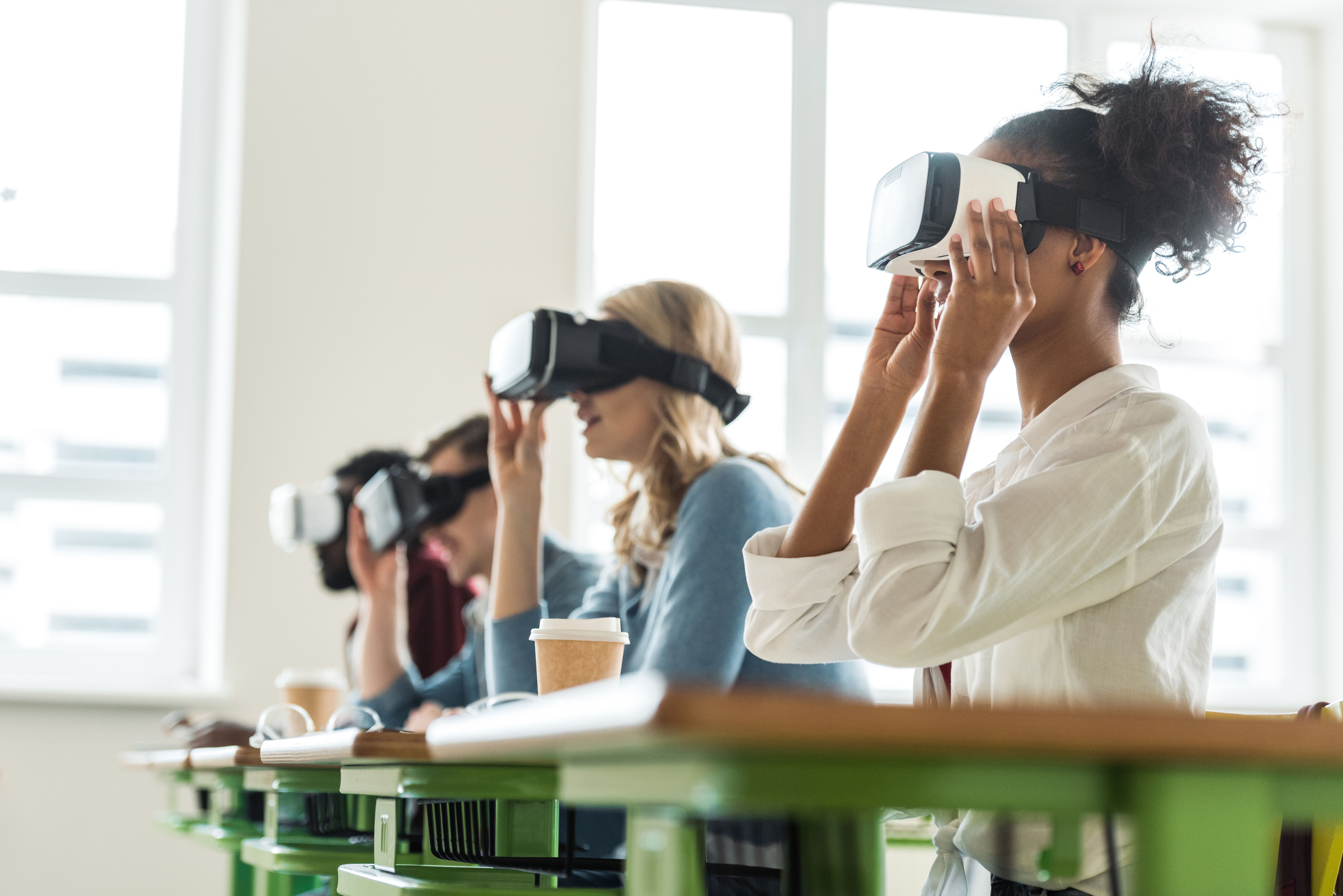
VR in business education isn't just about theoretical learning; it directly correlates to real-world success. Companies that have adopted VR training report improved employee performance and satisfaction. By exposing students to realistic business challenges early on, institutions can better prepare them for the workforce.
Moreover, VR can bridge the gap between theory and practice. Students can apply classroom knowledge to simulated business environments, gaining valuable experience that translates to the real world. This practical application of skills can significantly enhance a graduate's employability.
Implementing VR in Business Courses
The implementation of VR in business courses requires careful planning and investment. Institutions must ensure they have the necessary technology infrastructure and skilled instructors to support VR learning. However, the potential benefits make this a worthwhile endeavor.
- Invest in VR hardware and software.
- Train educators in VR technology and teaching methods.
- Develop curriculum that integrates VR experiences.
The Future of Business Education
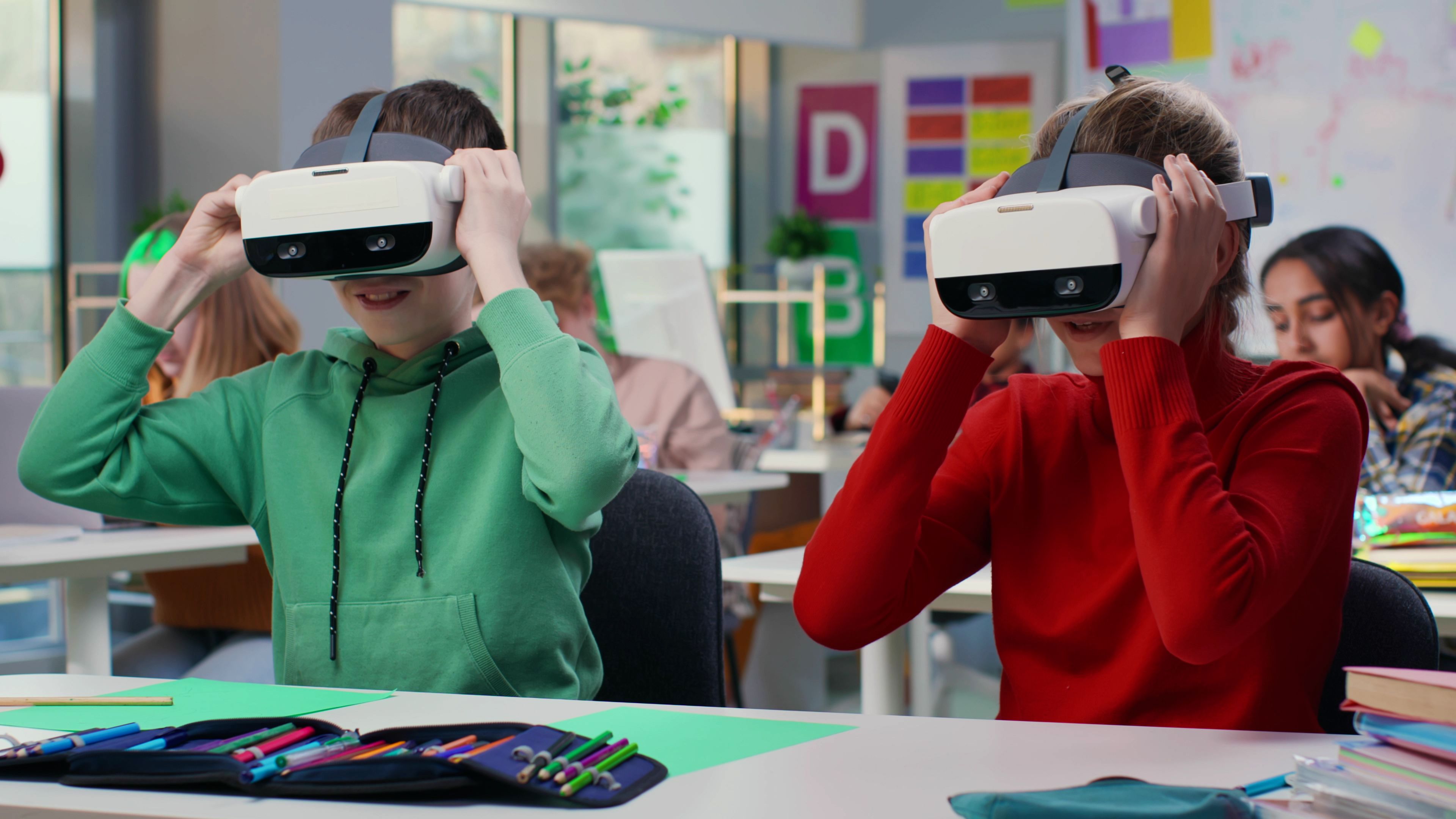
As VR technology becomes more accessible, its role in business education will likely expand. Future advancements may include more sophisticated simulations, broader course offerings, and enhanced interactivity. This evolution promises to make business education more dynamic and effective.
Institutions that embrace these changes will be at the forefront of educational innovation, providing students with the tools they need to succeed in a rapidly changing business landscape.
In conclusion, the integration of virtual reality in business education is not just a trend but a transformative shift. By leveraging the power of VR, educators can prepare students for the complexities of the business world, ensuring they are equipped with the skills necessary for success.